If you find incorrect square footage in county tax records, start by checking what the number describes and where it came from. Then contact your county assessor’s office with records that support a correction. A tax record does not determine the square footage an appraiser must report, and correcting a property detail does not automatically change its assessed value or tax bill.
At NC Real Estate Appraisals, we often see homeowners comparing county records with a listing, floor plan, or appraisal report. Those numbers can differ for several reasons. Here’s how to sort out the discrepancy and decide what to do next.
Check what each square-footage number includes
Before calling the county, compare the labels and descriptions attached to each figure. One source might show above-grade living area, while another includes a finished basement or another type of finished space. A listing may also combine areas that an appraisal reports separately.
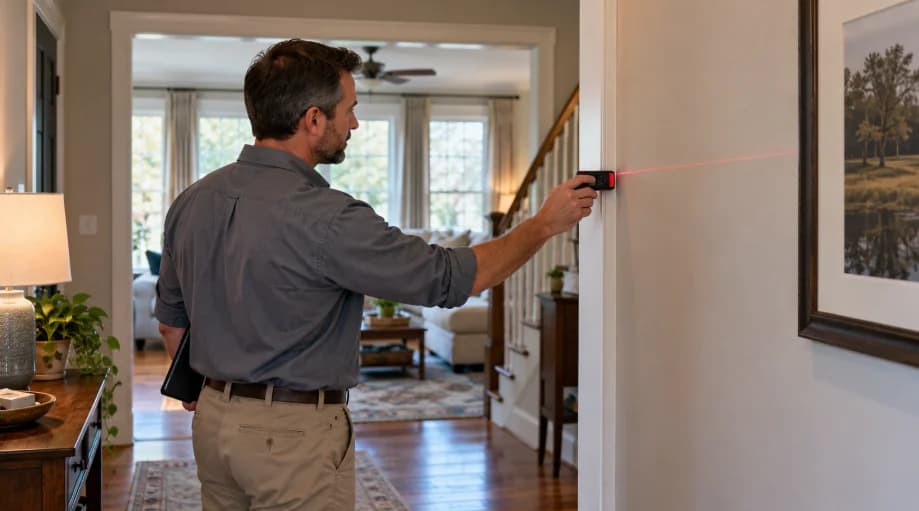
The measurement method matters, too. For many single-family appraisals that Fannie Mae will purchase, appraisers follow the ANSI Z765-2021 standard to measure and report above- and below-grade areas. County records or listing data may use a different method, or the source may not say how someone calculated the figure. Fannie Mae notes that an appraiser might not know which method another source used.
That means two different figures do not automatically prove that one is wrong. Start by checking whether the records describe the same areas in the same way.
For example, a county record might show 2,400 square feet while an appraisal reports 1,900 square feet above grade and 500 square feet below grade. The totals match, but the categories differ. In another case, the county record may not reflect a later addition, or it may contain an outdated measurement.
Our article on how finished basements appear in a North Carolina appraisal explains why above- and below-grade areas can be reported separately.
Find out whether the county record is actually wrong
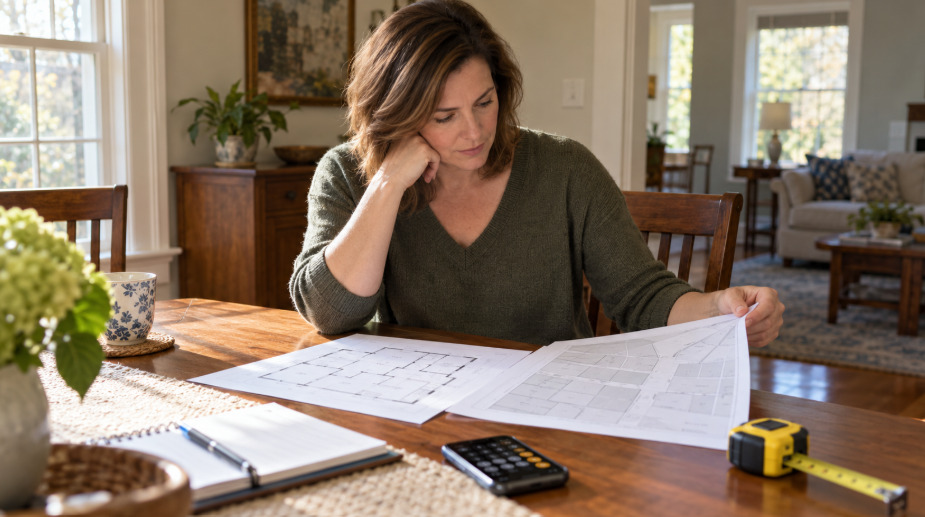
Look at the county property card or assessor’s record for more than its headline square-footage number. Check the building sketch, floor levels, finished areas, additions, and other details the county makes available. Compare those records with documents you already have, such as a floor plan, survey, permit, builder paperwork, or a prior appraisal.
Also consider what changed and when. An addition completed after the county’s last inspection or update might not appear in its file. A finished basement may be recorded differently from above-grade living area. An old listing or online estimate can offer context, but it may not explain the measurement method or provide reliable evidence by itself.
If the property has a complicated layout, ask the county which part of its record the square-footage figure represents. That can reveal whether the disagreement comes from an outdated record, a different classification, or a measurement difference.
Contact the county assessor with supporting information
If the record appears inaccurate, contact the county tax assessor or property appraisal office that maintains it. County procedures vary, so ask how to submit a correction, what documentation the office accepts, and whether staff need to inspect the property.
Keep your explanation specific. Instead of saying “the square footage is wrong,” identify the figure you’re questioning and why. For instance, you might explain that the sketch omits a documented addition or appears to count a lower level differently from the property’s plans.
Include relevant documents when you can. A floor plan or survey may clarify the layout. Permits and contractor records may show when an addition or conversion occurred. An appraisal report may contain a sketch and measurements for the assignment it addressed. The assessor will decide which evidence fits the county’s requirements.
Keep copies of what you submit and note the date, contact person, and any next steps. If the office updates its property record, ask when you can expect the change to appear online.
A correction to the record and a tax appeal are different
A factual correction to a property record is not the same as an appeal of the county’s assessed value. The two issues can be related, but they follow different processes.
North Carolina’s Department of Revenue explains that property owners can begin by contacting the county tax office about a property value. If they cannot resolve the concern informally, they can appeal to the local Board of Equalization and Review. The North Carolina property tax appeal process describes the state-level steps.
Ask your county whether you’re requesting a data correction, appealing a valuation, or both. Check the county’s deadlines and instructions directly, especially if you’re challenging the assessed value. A square-footage correction alone does not guarantee a lower assessment or tax bill. The county determines how it handles the record and any resulting valuation question.
What does the discrepancy mean for a home appraisal?
An appraiser develops an opinion of value for a specific assignment and reports property details according to the applicable scope and measurement requirements. The appraiser may review county records, but those records are one source of information. A number in a tax file does not dictate the appraiser’s measurement.
If you’re preparing for an appraisal, tell the appraiser about the discrepancy and share documents that explain it. That could include the county property card, floor plans, a survey, permits, or records of improvements. Don’t assume that the appraiser will automatically use the county’s figure, and don’t assume a lower reported above-grade area means finished basement space has no value. The appraiser analyzes the property’s features and how comparable sales reflect them.
Our standard residential appraisal service includes an on-site inspection, comparable-sales analysis, local market research, and a written report. If you’re arranging an appraisal because the county figure differs from what you understand the home to contain, share that context when you contact us.
Keep the two questions separate
A wrong square-footage entry deserves attention, but it may not be the only issue. First, determine whether the records are counting the same areas. Then ask the assessor how to correct a factual error and whether a separate valuation appeal applies. For an appraisal, provide the available records and let the appraiser analyze the home under the assignment’s requirements.
That gives the county and the appraiser useful information while keeping record corrections, tax assessments, and market value in their proper lanes.